






Physiotherapy Edmonton
Arthritis Physiotherapy Edmonton
Where Joint Care Meets Personalized Support
Get Consultation Now
Arthritis Physiotherapy Edmonton
Guiding You Back to Motion, Comfort, and Control
Do stiff joints, swelling, or chronic pain make it difficult for you to walk, bend, or use your hands comfortably?
Are your knees, hips, or shoulders holding you back from daily activities you once enjoyed?
Does arthritis stiffness make mornings harder, or does arthritis pain keep you awake at night?
If so, you’re not alone. Arthritis affects people of all ages, and while it can be frustrating, it doesn’t have to control your life. At In Step Physical Therapy in Edmonton, we provide personalized Arthritis Physiotherapy in Edmonton designed to reduce joint pain, restore mobility, and support long-term function.
For many patients searching for arthritis physiotherapy near me, our physiotherapy clinic for arthritis offers safe, effective care focused on arthritis recovery, arthritis pain management, and arthritis rehabilitation. Our goal is simple: help you move with less pain, more freedom, and greater confidence in your everyday life.
Understanding Arthritis and The Risk Factors
Arthritis is not just one condition but a group of joint problems that cause stiffness, inflammation, and pain. While arthritis cannot be reversed, physiotherapy plays a vital role in arthritis pain management and rehabilitation.
Arthritis doesn’t develop overnight. In many cases, it’s a result of ongoing wear, joint stress, or other underlying conditions. Knowing what factors may contribute to arthritis can help you take steps early to protect your joints and seek the right care when needed.
Here’s a closer look at the most common risk factors for arthritis:
Family History:
If arthritis runs in your family, your chances of experiencing joint problems may be higher due to inherited traits that affect how your body handles inflammation and joint wear.
Age:
The likelihood of developing arthritis increases as you get older. Over time, joints naturally experience more wear and tear, especially in high-use areas like the knees, hips, and hands.
Obesity:
Carrying extra weight puts pressure on joints, especially the hips, knees, and spine. This added strain can speed up cartilage breakdown and lead to earlier joint pain.
Previous Joint Injury:
Past injuries from sports, falls, or accidents, even those that healed long ago, can make a joint more vulnerable to arthritis later in life.
Repetitive Movement or Overuse:
Repetitive actions, heavy lifting, or awkward working postures can lead to stress injuries that wear down cartilage over time.
Gender:
Some of the types of arthritis, like rheumatoid arthritis, are common in women, while others, like gout, are seen more in men. Hormonal differences may be a contributing factor.
Autoimmune Conditions:
Conditions like rheumatoid arthritis occur when the immune system mistakenly attacks joint tissues, causing inflammation, swelling, and long-term joint damage.
Poor Joint Alignment or Posture:
Poor posture or joint misalignment causes uneven stress across the body, increasing the likelihood of joint breakdown and chronic pain over time.
Conditions We Treat With Arthritis Physiotherapy in Downtown Edmonton
At In Step Physical Therapy, we see patients with many different forms of arthritis. Whether you’re facing the early signs of stiffness or managing chronic arthritis that has affected your mobility for years, our team understands the challenges and provides care tailored to each condition.
Osteoarthritis in Knees:
Knee osteoarthritis is a common concern, especially in older adults or in people who have sustained past injuries. It often brings stiffness, swelling, and discomfort during activities such as walking, climbing stairs, or standing for extended periods, gradually affecting confidence in movement.
Hip Arthritis:
Hip arthritis typically causes pain in the hip joint, groin, or thigh, and it can make simple movements like bending, sitting, or walking feel restrictive. Over time, it impacts balance, mobility, and independence in daily life.
Shoulder Arthritis:
This condition reduces the range of motion in the shoulder joint and may create sharp pain during lifting, reaching overhead, or even resting. It often limits both work and recreational activities, from carrying groceries to playing sports.
Hand and Wrist Arthritis:
Arthritis in the hands and wrists interferes with grip strength and fine motor skills. Patients often notice difficulty performing routine tasks like writing, cooking, or typing, and swelling or stiffness may make movement uncomfortable.
Spinal Arthritis:
When arthritis affects the spine, stiffness and pain can appear in the neck or lower back. It reduces posture control, flexibility, and overall spinal mobility, sometimes leading to discomfort during sitting, standing, or sleeping.
Rheumatoid Arthritis (RA):
RA is an autoimmune condition that impacts multiple joints at once. It often causes swelling, fatigue, deformity, and persistent discomfort, making it harder to maintain daily routines without support.
Post-Surgical Arthritis Care:
Even after hip, knee, or shoulder replacement surgery, patients may experience stiffness, swelling, or weakness. Post-surgical arthritis care focuses on safely restoring movement and supporting recovery.
Chronic Arthritis and Flare-Ups:
Many patients with long-term arthritis experience flare-ups where pain and stiffness suddenly worsen. These episodes can make daily tasks challenging and often affect the overall quality of life.
Psoriatic Arthritis:
Linked with psoriasis, this form of arthritis causes joint stiffness, swelling, and sometimes deformity. It may affect multiple joints at once, including fingers, toes, and larger weight-bearing areas.
Juvenile Arthritis:
Juvenile arthritis affects children and teenagers, often causing joint swelling, fatigue, and stiffness that interfere with physical activity, growth, and daily routines such as school and play.
Gout-Related Arthritis:
Gout-related arthritis typically presents as sudden, sharp pain in the toes, ankles, or feet. These flare-ups can be intensely painful and make walking or weight-bearing movements difficult.
Ankylosing Spondylitis:
A form of spinal arthritis, ankylosing spondylitis, leads to stiffness in the back and hips. Over time, it can significantly reduce mobility, making posture and spinal flexibility harder to maintain.
Post-Traumatic Arthritis:
This type of traumatic arthritis occurs after an injury like a fracture or ligament tear. It often appears months or years later, leaving the affected joint stiff, swollen, and vulnerable to chronic pain.
Arthritis in Ankles and Feet:
When arthritis affects the ankles or feet, patients may struggle with uneven weight distribution, difficulty walking, and discomfort that spreads to the knees, hips, and back due to compensatory strain.
Elbow Arthritis:
Arthritis in the elbow limits extension and bending, making tasks like lifting, carrying, or even reaching out challenging. Stiffness and swelling often reduce comfort in both work and recreation.
Temporomandibular Joint (TMJ) Arthritis:
This form affects the jaw joint, causing pain when chewing, speaking, or opening the mouth. It can also create stiffness, headaches, and discomfort in the surrounding facial muscles.
Cervical Arthritis:
Cervical arthritis, or arthritis in the neck, leads to stiffness, reduced motion, and discomfort during head movements. Patients may also experience headaches or pain radiating into the shoulders and arms.
Arthritis After Sports Injuries:
Repetitive stress or previous joint injuries from sports can trigger early-onset arthritis, particularly in the knees, shoulders, or hips, affecting long-term activity levels and athletic performance.
Our Approach to Arthritis Physiotherapy in Edmonton
At In Step Physical Therapy in Edmonton, our approach blends hands-on care, guided movement, and long-term support. We don’t just ease discomfort, we help you build resilience against stiffness and arthritis flare-ups.
1. Comprehensive Assessments:
Our physiotherapists begin with a thorough review of your symptoms, joint mobility, and movement patterns. For example, if you’re struggling with osteoarthritis in the knees, rheumatoid arthritis in the hands, or spinal stiffness, the assessment highlights which areas need strengthening, which require flexibility work, and how arthritis is affecting your daily life. This step ensures your arthritis physiotherapy treatment in Edmonton is truly tailored to your needs.
2. Manual Therapy:
Our physiotherapists use hands-on techniques to ease stiffness, improve movement, and relieve discomfort caused by arthritis. These include:
- Joint Mobilization – Restores motion and reduces stiffness in arthritic joints like knees, hips, and shoulders, helping patients move more comfortably.
- Soft Tissue Massage – Eases tension in surrounding muscles, reducing strain on affected joints and improving circulation for arthritis pain management.
- Myofascial Release – Targets tight connective tissue to reduce restrictions, improving flexibility for patients with chronic arthritis or frozen shoulder.
- Trigger Point Release – Relieves localized muscle knots that often develop around arthritic joints, allowing for smoother movement and reduced pain.
- Passive Stretching – Gently lengthens stiff muscles around arthritic joints, easing pressure and supporting arthritis rehabilitation.
3. Modalities for Arthritis Pain Management:
We complement exercises and manual care with evidence-based modalities:
- Ultrasound Therapy – Delivers deep tissue stimulation to reduce inflammation and ease stiffness in arthritic joints.
- TENS Therapy – Blocks pain signals, allowing patients with persistent joint pain to move more freely during treatment.
- Shockwave Therapy – Stimulates healing in tissues affected by long-term arthritis, particularly useful for chronic arthritis of the knees or shoulders.
- Acupuncture and Dry Needling – Release tension, improve circulation, and reduce muscle guarding, often linked with arthritis stiffness.
4. Exercise Therapy:
Our physiotherapists design safe, progressive routines that focus on:
- Strengthening exercises to support surrounding muscles and reduce pressure on painful joints.
- Flexibility training to decrease stiffness and maintain range of motion in areas such as the hips, shoulders, and spine.
- Low-impact aerobic activities like stationary cycling or walking help with managing arthritis pain while improving endurance.
- Exercise therapy is central to arthritis rehabilitation because it builds long-term joint protection.
5. Postural Education and Movement Training:
Our physiotherapy clinic teaches strategies to protect joints during daily activities. This includes:
- Ergonomic sitting and standing positions for spinal arthritis.
- Safe lifting methods to protect hip and knee joints.
- Alignment drills to prevent compensatory strain.
- By retraining posture and body mechanics, we reduce unnecessary stress and help patients with chronic arthritis move with more comfort.
6. Home Exercise Programs:
Recovery continues beyond our clinic. Each patient receives a personalized home plan that may include:
- Stretching routines for flexibility.
- Strengthening exercises to strengthen shoulders, hips, and knees.
- Joint protection strategies to minimize arthritis flare-ups.
- Lifestyle tips for managing arthritis pain day to day.
These exercises reinforce what’s achieved in the clinic, helping patients sustain improvements in mobility and independence.
Technologies and Services That Support Arthritis Physiotherapy
Living with arthritis can seriously impact your posture, balance, and the way you walk. That’s why at In Step Physical Therapy, we combine traditional care with cutting-edge technology to support recovery and make everyday movement easier and safer. These smart tools help us tailor arthritis treatment and improve outcomes, especially for balance and gait-related issues.
Here’s how each tool plays a role in managing arthritis more effectively:

Footmaxx Custom Orthotics
Custom orthotics help correct foot mechanics, improving lower body alignment. This relieves pressure on arthritic joints and reduces imbalance while walking or standing.

Steady Steps® Balance Program
A structured program designed to reduce fall risk and restore safe mobility. It’s ideal for arthritis patients looking to regain strength, balance, and walking confidence.
Benefits of Arthritis Physiotherapy
Patients who complete arthritis physiotherapy in Edmonton at our clinic often notice improvements such as:
- Reduced joint pain and stiffness – easing daily movement and improving comfort.
- Increased mobility in knees, hips, hands, and shoulders – making walking, climbing stairs, or lifting easier.
- Better posture and improved strength – reducing strain on arthritic joints by supporting balanced movement.
- Improved ability to manage flare-ups – learning pacing strategies and safe exercises for difficult days.
- Reduced need for pain medication – supporting long-term arthritis pain management naturally.
- Greater independence and quality of life – restoring confidence to return to hobbies, work, and social activities.
Why Should You Choose In Step Physical Therapy?
Patients trust In Step Physical Therapy in Edmonton for their arthritis care because we:
Offer personalized treatment plans
designed for each patient’s arthritis condition and adjusted as recovery progresses.
Focus on whole-body care
addressing not just painful joints but also posture, strength, and movement habits.
Provide a welcoming environment
creating a safe, encouraging space for arthritis rehabilitation.
They are conveniently located in Downtown Edmonton
easily accessible for patients searching for arthritis physiotherapy near me.
Extend support beyond the clinic
with home exercise plans, ergonomic tips, and education for managing arthritis pain long-term.
Is Arthritis Physiotherapy in Edmonton Covered by Insurance?
In many cases, yes. Most extended health plans in Alberta cover physical therapy for arthritis, including treatments for osteoarthritis, rheumatoid arthritis, and chronic arthritis pain. At In Step Physical Therapy, we:
- Accept direct billing – working with most major insurance providers to reduce upfront costs.
- Help you check coverage details – clarifying what portion of arthritis physiotherapy treatment is included in your plan.
- Provide flexible payment options – ensuring that arthritis physiotherapy in Edmonton remains accessible even without insurance.
By simplifying the insurance process, our clinic makes it easier for patients to focus on arthritis recovery instead of paperwork.
Lifestyle Support for Managing Arthritis Pain
Our care doesn’t end when you leave our clinic. At In Step Physical Therapy, we extend support by helping you adapt your daily habits for healthier joints and lasting comfort. Always consult with our physiotherapists before making changes to your routine, so your approach to arthritis management remains safe and effective.
- Stay active with safe, low-impact exercise routines that keep joints moving without unnecessary strain.
- Use supportive footwear to improve alignment and reduce stress on your knees and hips.
- Maintain a healthy weight to balance pressure on weight-bearing joints and improve overall mobility.
- Follow ergonomic tips for working at a desk, protecting your hands, wrists, and shoulders from unnecessary tension.
- Keep up with your home exercise plan to manage stiffness, support strength, and prevent flare-ups.
Our physiotherapists guide you step by step, ensuring that your progress continues both at home and in the clinic.
Moving Beyond Arthritis Pain Together:
At In Step Physical Therapy Edmonton, we believe arthritis doesn’t have to define how you live your life. With the right approach, it’s possible to reduce joint pain, improve mobility, and regain confidence in your daily activities. Our team of physiotherapists works closely with each patient to provide personalized arthritis physiotherapy treatments, whether you’re managing osteoarthritis in your knees, rheumatoid arthritis in your hands, or persistent stiffness in your hips and spine.
In Step Physical Therapy provides arthritis physiotherapy from our clinic at 10667 113 Street in Downtown Edmonton. We help patients manage osteoarthritis, rheumatoid arthritis, joint inflammation, stiffness, and reduced mobility through structured, personalized rehabilitation programs tailored to individual needs.
Conveniently located near neighbourhoods such as Queen Mary Park, Oliver, Central McDougall, and Wîhkwêntôwin, our clinic offers accessible arthritis care for individuals seeking effective treatment close to home in central Edmonton.
Serving Downtown and Central Edmonton, In Step Physical Therapy supports patients searching for arthritis physiotherapy near them, delivering professional care focused on pain relief, improving joint function, enhancing mobility, and supporting long-term joint health.
If you’ve been searching for arthritis physiotherapy near me, consider this your sign to take the next step toward relief. Call us today to book your appointment at In Step Physical Therapy and start your journey toward reduced pain, improved strength, and a better quality of life.
Reviews:

Watch Our Videos To Know More:
Frequently Asked Questions:
General Benefits of Physiotherapy for Arthritis
Is physiotherapy good for arthritis pain management?
Yes, physiotherapy can help ease joint pain by improving movement, strengthening muscles, and reducing stiffness over time.
How can physiotherapy for arthritis help with daily movement?
It helps by teaching safer ways to move, building joint support, and improving flexibility, making everyday tasks easier and more comfortable.
Can arthritis physiotherapy reduce joint stiffness?
Consistent movement and stretching during therapy can gradually improve stiffness and make joints feel more flexible.
Does arthritis physiotherapy in Edmonton support long-term recovery?
Yes, regular sessions can help manage symptoms, prevent flare-ups, and support ongoing arthritis recovery.
Is walking part of physiotherapy treatment for arthritis?
Yes, walking is often encouraged to improve mobility, especially when tailored to your comfort level and joint condition.
Can arthritis rehabilitation include strength training?
Gentle strength exercises are a common part of rehabilitation, as they support joints and reduce pressure on painful areas.
Can physiotherapy improve mobility in people with chronic arthritis?
Over time, physiotherapy can help people with long-term arthritis move more freely and confidently.
Is massage part of arthritis physiotherapy?
Some physiotherapy clinics include massage therapy to relax muscles and ease discomfort around affected joints.
Can I do physiotherapy at home for arthritis?
Many clinics provide at-home exercises as part of the program, helping you stay active between visits.
What can I expect during arthritis physiotherapy in Edmonton?
You’ll go through guided exercises, stretching, balance work, and other treatments based on your pain level and goals.
Types of Physiotherapy for Different Types of Arthritis
What type of physiotherapy is helpful for osteoarthritis?
Osteoarthritis care often includes joint mobilization, low-impact exercises, and strategies to reduce joint pressure.
How is physiotherapy different for rheumatoid arthritis?
Rheumatoid arthritis treatment focuses more on controlling inflammation, maintaining mobility, and protecting sensitive joints.
Does arthritis physiotherapy support hip mobility?
Yes, targeted exercises can improve strength and flexibility in the hips, helping reduce joint pain and stiffness.
Can joint pain in the hands improve with physiotherapy?
Yes, hand therapy exercises and treatments can help restore strength, function, and reduce pain in the fingers and wrists.
How does arthritis physiotherapy treatment in Edmonton vary by condition?
Treatments are adjusted based on whether you’re managing osteoarthritis, rheumatoid arthritis, or another joint issue, with a focus on your personal goals.
Is arthritis physiotherapy safe for older adults?
Yes, it is often tailored to each person’s needs and fitness level, making it suitable for people of all ages.
Can strengthening exercises be part of physiotherapy for knees with arthritis?
Absolutely. Strengthening the muscles around the knee can decrease joint stress and support daily movement.
How do Edmonton clinics use arthritis physiotherapy for spine issues?
They may include posture correction, spinal mobility work, and core strengthening to support the back and reduce discomfort.
Are flexibility exercises included in arthritis physiotherapy?
Yes, stretching is usually a key part of treatment, helping joints move more freely and easing stiffness.
Common Questions About Exercise, Movement, and Activity
Should I stay active or rest during arthritis flare-ups?
Gentle movement can help maintain flexibility, but it’s also important to rest when inflammation or pain is high.
What are the benefits of low-impact exercise in arthritis physiotherapy?
It helps you to stay active without putting stress on joints, which supports recovery and reduces discomfort.
Can walking help reduce arthritis stiffness?
Yes, regular walking can keep joints moving and prevent them from becoming more stiff.
Is swimming part of arthritis physiotherapy programs?
Yes, swimming is often recommended because it improves mobility without putting pressure on joints.
Are stationary bikes safe for arthritis rehabilitation?
Yes, they provide a low-impact way to improve circulation and joint movement in the hips and knees.
Can regular stretching relieve joint pain in arthritis?
Stretching can help reduce tightness and improve movement, which may ease joint discomfort over time.
Is balance training included in arthritis physiotherapy?
Yes, balance work helps prevent falls and supports safer movement, especially for those with joint instability.
What kind of warm-up is recommended before arthritis physiotherapy?
Gentle range-of-motion movements, like shoulder rolls or ankle circles, prepare joints and muscles for activity.
Can poor posture worsen arthritis pain in the hips and knees?
Yes, bad posture can increase stress on joints, leading to more pain and reduced mobility.
Are resistance bands useful in arthritis recovery programs?
They are often used in physiotherapy to gently strengthen muscles without adding joint strain.
Pain Relief and Inflammation Management
Can arthritis physiotherapy reduce joint inflammation naturally?
Yes, movement and circulation-focused treatments can support the body’s natural healing and reduce swelling.
Is heat or cold therapy better during arthritis physiotherapy?
Heat relaxes muscles and eases stiffness, while cold can help manage swelling and pain both are used depending on your needs.
How do Edmonton clinics manage arthritis pain without medication?
They may use a mix of exercise, manual therapy, electrical stimulation, or dry needling to help ease pain naturally.
Are mobility aids recommended during arthritis treatment?
If needed, physiotherapists can suggest canes, braces, or orthotics to reduce pressure on painful joints.
Can manual therapy ease arthritis pain in the neck and shoulders?
Yes, gentle hands-on techniques can release tension and help joints move more comfortably.
Is ultrasound therapy part of arthritis physiotherapy services?
Some clinics use it to increase circulation and promote tissue healing around inflamed joints.
What are some natural ways to manage arthritis stiffness during therapy?
Stretching, warm compresses, and regular low-impact activity all support joint flexibility.
How does arthritis physiotherapy support flare-up recovery?
It helps reduce swelling, restore movement, and ease muscles that may have tightened due to pain.
Can proper foot alignment reduce arthritis pain in knees and hips?
Yes, using orthotics or correcting posture can relieve joint pressure and improve balance.
Are dry needling or acupuncture part of arthritis pain management?
Some physiotherapy clinics offer these treatments to relieve muscle tension and promote comfort.
Arthritis Treatment Plans & Recovery Expectations
How long does it take to see progress with arthritis physiotherapy?
Results vary, but many people notice improved movement and minimized pain within a few weeks of consistent therapy.
What is a typical arthritis rehabilitation program at In Step Physiotherapy?
Programs often include mobility exercises, strengthening, manual therapy, and lifestyle education, all adjusted to your needs.
Can physiotherapy help prevent arthritis symptoms from getting worse?
Yes, staying active and working on movement regularly may help support joint health and slow down symptom progression.
What are realistic recovery goals with arthritis physiotherapy in Edmonton?
Goals usually include easing pain, moving with more comfort, and getting back to daily activities safely.
How often should I attend physiotherapy for chronic arthritis?
This depends on your condition, but many people start with 1–2 physiotherapy sessions per week, with adjustments over time.
What should I wear to arthritis physiotherapy sessions?
Wear comfortable, loose-fitting clothing that helps you to move easily and access the joints being treated.
Can arthritis physiotherapy help delay the need for surgery?
In many cases, regular therapy can improve joint function enough to postpone or avoid surgical options.
Is there a difference between short-term and long-term arthritis treatment plans?
Short-term plans address immediate pain, while long-term plans focus on managing the condition and preventing setbacks.
What happens if I skip my physiotherapy appointments?
Missing sessions can slow your progress and may lead to more stiffness or pain returning.
How do Edmonton clinics personalize arthritis recovery plans?
Plans are based on your activity level, pain points, arthritis type, and recovery goals, making each approach unique.
Lifestyle, Diet, and At-Home Support
Are there foods that support arthritis recovery and reduce stiffness?
Yes, eating more anti-inflammatory foods like leafy greens, berries, and omega-3s can support joint health.
What kind of footwear helps during arthritis rehabilitation?
Supportive shoes or orthotics can reduce joint stress, especially in the knees, hips, and feet.
Can changing sleep positions help with arthritis pain in joints?
Yes, sleeping with proper support or cushions can reduce pressure on painful joints and improve rest.
Are anti-inflammatory diets part of arthritis physiotherapy education?
Some clinics include basic guidance on how certain foods can affect joint inflammation and overall wellness.
What are some safe home exercises for arthritis management?
Gentle stretching, walking, light yoga, and resistance band work are often safe to do at home with guidance.
Can stress affect arthritis symptoms and physiotherapy results?
Yes, high stress can increase inflammation and tension, making it harder for your body to recover fully.
Should I avoid certain movements with rheumatoid arthritis?
Movements that strain inflamed joints should be modified or replaced with gentler options during therapy.
Can lifestyle changes support the results of arthritis physiotherapy?
Definitely regular movement, good sleep, balanced meals, and stress control all help your recovery.
What role does hydration play in joint health for arthritis patients?
Staying hydrated supports joint lubrication and helps keep tissues flexible, which may ease stiffness.
How do I stay motivated during a long-term arthritis recovery plan?
Tracking your progress, setting small goals, and staying in touch with your physiotherapy clinic can help you stay on track.
Movement That Matters for Arthritis Relief
Managing arthritis takes more than just medication; it takes movement, support, and the right rehab team.

Giri Srinivasan
Chronic Pain Physiotherapist – Owner & CEO
with advanced training in geriatrics, spinal manipulation, and chronic pain therapies, brings a wealth of experience in helping individuals manage arthritis through personalized physiotherapy and functional movement strategies.
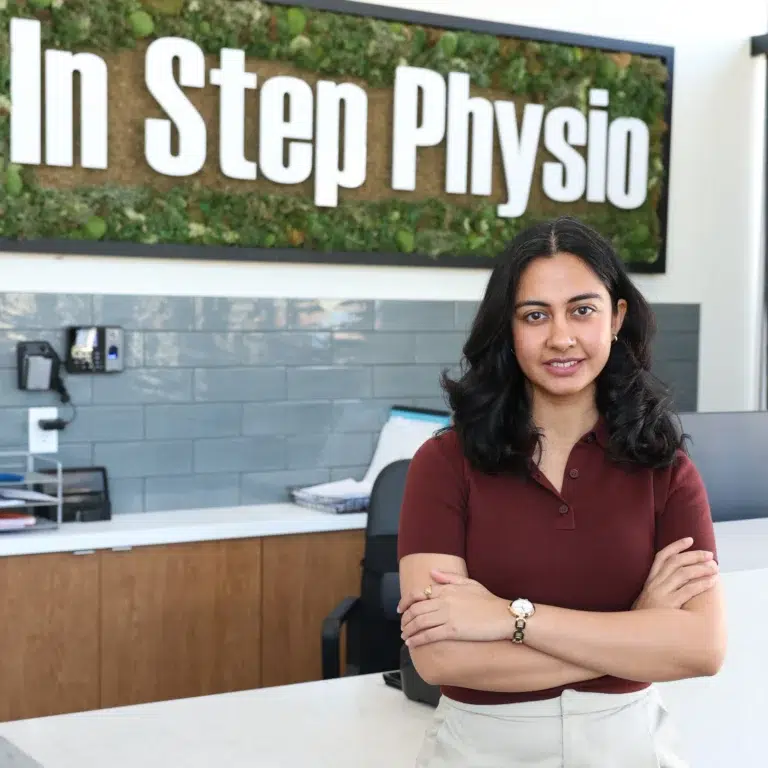
Roopreet Kaur
Chronic Pain Physiotherapist
Roopreet Kaur works through assessment-led manual therapy and progressive exercise, with attention to how daily activity and posture affect symptoms.

Neha Anil Saraf
Chronic Pain Physiotherapist
Neha Anil Saraf combines hands-on techniques with individualised exercise programmes tailored to each patient's goals.

Cyprian Orjinta
Chronic Pain Physiotherapist
Cyprian Orjinta focuses on restoring movement and strength through structured, progressive rehabilitation.
Together, they’re here to help you stay active, manage pain, and move with greater ease, one step at a time.
Our team is here to answer your questions and guide you through your next steps.
- Address - 10667 113 St NW, Edmonton, AB T5H 3H6
- Phone - (587) 409-1754
- Email - info@instepphysio.ca
- Business Hours - Mon – Fri: 8 am – 8 pm
- Business Hours - Sat: 8 am – 4 pm