We Are a Trauma Informed Edmonton Physiotherapy Practice Near You!Treating Clients in Edmonton for over 25 Years.Getting a Lymphatic Drainage Massage? Boost it with Shockwave Therapy for just $30!We Are a Trauma Informed Edmonton Physiotherapy Practice Near You!Treating Clients in Edmonton for over 25 Years.Getting a Lymphatic Drainage Massage? Boost it with Shockwave Therapy for just $30!







Physiotherapy Edmonton
Postnatal Physiotherapy Edmonton
Guided Recovery After Childbirth With Care
Get Consultation Now
Supporting Your Journey Through Postnatal Recovery
Have you noticed discomfort or pain in your lower back after childbirth?
Are you struggling with urinary leakage when you laugh, sneeze, or exercise?
Do you feel weakness in your core or separation around your abdomen?
Are you experiencing pelvic heaviness or discomfort while standing or walking?
Do your wrists or hands feel numb or tingly from lifting or feeding your baby?
At In Step Physiotherapy in Edmonton, we recognize that postpartum recovery extends far beyond the delivery room. It’s a time of transition, healing, and rediscovering strength. Our postnatal physiotherapy services are designed to help new mothers regain control over their bodies, manage discomfort, and move confidently through motherhood.
Our postnatal physiotherapy in Edmonton provides supportive and personalized care for women recovering from childbirth. Whether you delivered vaginally or by cesarean section, our physiotherapists are here to help you rebuild strength, restore movement, and find comfort in your changing body.
We believe every woman deserves a nurturing environment where her postnatal recovery is treated with the same care and attention as her pregnancy.
Understanding Postnatal Physiotherapy
Postnatal physiotherapy, also called postpartum physiotherapy or physiotherapy after childbirth, focuses on restoring the body’s strength, function, and balance after pregnancy and delivery.
During pregnancy, hormonal and structural changes can affect muscle tone, posture, and joint alignment. Following childbirth, many women experience issues such as muscle weakness, back pain, and pelvic floor dysfunction.
At In Step Physiotherapy in Edmonton, we take a whole-body approach to recovery. Our physiotherapists focus on helping new mothers:
- Strengthen their pelvic floor and core muscles.
- Manage pain and improve mobility.
- Correct posture and alignment
- Restore confidence in daily activities.
- Reconnect with their bodies after childbirth.
We combine hands-on therapy, movement training, and education to make your recovery journey as smooth and empowering as possible.
Common Conditions Treated with Postnatal Physiotherapy in Downtown Edmonton
Every new mother’s body responds differently after childbirth. Some may feel strong within weeks, while others need longer to regain stability and strength. Our physiotherapy clinic provides comprehensive care for a range of postnatal conditions, including:
1. Pelvic Floor Dysfunction
The pelvic wall muscles support the bladder, uterus, and bowel. During pregnancy and delivery, these muscles may stretch or weaken, leading to issues such as urinary incontinence, pelvic pressure, or discomfort. Our women’s health physiotherapy team offers gentle, progressive pelvic floor rehabilitation to help restore strength and control.
2. Urinary Incontinence
It’s common for new mothers to experience urinary leakage, especially when coughing, sneezing, or exercising. Our physiotherapists help retrain the pelvic floor muscles, improve bladder control, and reduce leakage through customized exercises and lifestyle adjustments.
3. Diastasis Recti (Abdominal Separation)
Many women develop separation of the abdominal muscles during pregnancy. This condition, known as diastasis recti, can lead to a weakened core, back pain, and poor posture. We provide safe, progressive exercises to close the gap and strengthen your abdominal wall, promoting better stability and function.
4. Postpartum Back and Pelvic Pain
Carrying and caring for your baby can strain your lower back and pelvis. Our postnatal treatment programs focus on restoring proper alignment, strengthening supportive muscles, and easing discomfort through movement and manual therapy.
5. Pelvic Organ Prolapse
Weakness in the pelvic health can sometimes cause one or more pelvic organs to shift downward. Our therapy helps reduce symptoms, restore pelvic support, and teach safe movement patterns for long-term relief.
6. Carpal Tunnel Syndrome
Hormonal changes and fluid retention during and after pregnancy can cause wrist pain or tingling in the hands. Our physiotherapy team provides stretches, ergonomic advice, and gentle techniques to relieve discomfort.
7. Postpartum Fatigue and Weakness
Recovery takes time, and energy levels can fluctuate after childbirth. Through customized postnatal exercise programs, we help you rebuild endurance and stamina, supporting you to feel stronger and more energetic day by day.
8. Sacroiliac Joint Pain
Hormonal changes and ligament relaxation during pregnancy can lead to instability around the pelvis. Our physiotherapists provide stabilization exercises and supportive taping methods to reduce pain and improve function.
9. Hip and Groin Pain
Many new mothers experience hip stiffness or groin discomfort from carrying and feeding their baby. We address muscle imbalances and teach safe movement patterns to alleviate strain.
10. C-Section Scar Sensitivity
If you’ve had a cesarean delivery, scar tissue can restrict movement and cause tenderness. Our therapists use gentle manual techniques to improve tissue flexibility and reduce discomfort.
11. Rib and Upper Back Pain
Feeding positions and posture changes can affect your upper back and ribs. We guide you through posture correction and stretching exercises to relieve tightness.
12. Postpartum Depression (Physical Symptoms)
Emotional challenges after childbirth can manifest as physical tension, fatigue, or pain. Regular physiotherapy and movement can improve mood and overall well-being by stimulating endorphin release.
Our Approach to Postnatal Physiotherapy in Edmonton
At In Step Physiotherapy in Edmonton, our care model is centred around understanding your body, listening to your experience, and guiding you toward recovery with compassion. We focus on six key components that shape your postnatal rehabilitation journey:
1. Postnatal Body Assessment
Our Postnatal Body Assessment forms the foundation of your treatment. During this session, our physiotherapists evaluate your posture, abdominal wall integrity, pelvic floor function, joint mobility, and muscle strength. This helps us create a plan that aligns with your comfort and recovery goals.
2. Rehabilitation
Our Rehabilitation phase focuses on restoring natural movement and reducing discomfort. Using gentle manual therapy, stretching, and guided exercises, we help you rebuild coordination, flexibility, and balance.
3. Core Strengthening
We emphasize Postnatal Core Strengthening, beginning with controlled breathing and deep abdominal activation. This gradually progresses into functional exercises that support your spine, posture, and daily activities.
4. Posture and Ergonomic Support
Our Posture and Ergonomic Support sessions teach you safe ways to lift, feed, and carry your baby without straining your body. We also provide strategies to maintain neutral spine alignment during everyday tasks.
5. Pain and Mobility Management
Through Pain and Mobility Management, our physiotherapists apply gentle manual therapy, stretching, and strengthening to relieve pain in the back, pelvis, hips, and shoulders. These techniques help restore comfort and movement while preventing long-term issues.
6. Functional Movement and Return to Activity
Finally, our Functional Movement and Return to Activity phase helps you transition safely back into your preferred routines, whether it’s light exercise, household chores, or work activities. We ensure you move efficiently and confidently, with awareness of your body’s signals.
How We Support Postnatal Recovery
Postnatal recovery is led by assessment and hands-on care rather than by equipment. What your programme involves depends on your delivery, your symptoms and your goals.
- Individual assessment — abdominal separation, pelvic floor function, posture, breathing and how you are moving day to day.
- Pelvic floor rehabilitation — progressive retraining for urinary symptoms, heaviness or prolapse-related change, delivered one-to-one in a private treatment room.
- Graded return to activity — rebuilding strength and load tolerance at a pace that suits recovery, including return to running or the gym when appropriate.
- Hands-on treatment — for scar tissue after caesarean, rib and thoracic restriction, or ongoing back and pelvic pain.
- Practical guidance — lifting, feeding positions and carrying, which is where much postnatal strain actually comes from.
Timelines vary considerably between women. Your programme is reviewed as you progress rather than fixed at the start.
See also our female pelvic floor physiotherapy and prenatal physiotherapy pages.
Added Benefits of Postnatal Exercise at In Step Physiotherapy
At In Step Physiotherapy in Edmonton, we believe in supporting both physical and emotional recovery. The benefits of postnatal physiotherapy go far beyond the physical:
- Improved muscle tone and flexibility
- Enhanced blood circulation and tissue healing
- Stronger abdominal and pelvic muscles
- Reduced stress and anxiety
- Improved posture and balance
- Increased stamina and energy
- Better sleep quality
- Faster uterine recovery and hormonal balance
- Prevention of postpartum depression
- A greater sense of overall well-being
We also encourage a supportive environment where mothers can share experiences and connect through guided exercises, building confidence and community along the way.
Postnatal Physiotherapy Timeline – What to Expect
Every recovery journey is different, but understanding the general stages of postnatal rehabilitation can help you set realistic goals and expectations.
Weeks 1–6:
Focus on rest, gentle breathing, and reconnecting with the pelvic floor. Light stretches and posture alignment exercises are introduced to prevent stiffness and promote circulation.
Weeks 6–12:
As your body gains stability, physiotherapists guide you through low-impact movements that strengthen the core and improve pelvic support. Scar tissue mobility and gentle strengthening become priorities.
Months 3–6:
Gradual return to functional activities begins. Core endurance, hip and back stability, and overall coordination are refined to prepare for lifting, walking, and daily tasks with comfort.
Beyond 6 Months:
Mothers who wish to return to higher-level exercise or specific physical goals such as running or sports receive tailored movement programs focused on safe performance and injury prevention.
This timeline is flexible and evolves based on how your body responds. Each phase emphasizes safety, comfort, and gradual improvement rather than rushing results.
Preparing for Your First Postnatal Physiotherapy Session
Knowing what to expect during your first appointment helps you feel comfortable as you begin your recovery journey.
During your first session, you can expect:
Initial Discussion:
A detailed conversation about your pregnancy, delivery experience, and current symptoms.
Gentle Assessment:
Evaluation of posture, pelvic floor engagement, abdominal separation (if present), and overall mobility.
Comfort-Focused Approach:
All assessments are performed gently and respectfully, ensuring your comfort and privacy.
Education and Guidance:
Practical advice on body mechanics, breathing, and posture techniques to support recovery at home.
What to Bring:
Wear clothing that makes you comfortable and, if available, bring medical notes or reports from your healthcare provider.
Personalized Plan:
Based on your evaluation, a customized program will be created to match your healing goals and daily activities.
Your first appointment sets the foundation for a recovery plan that adapts as your body strengthens and adjusts to postpartum changes.
Why Should You Choose In Step Physiotherapy?
At In Step Physiotherapy, we approach postnatal care with empathy and respect. We know that recovery is a deeply personal experience, and our physiotherapists are dedicated to walking with you every step of the way.
Compassionate and Skilled Team
Our team, including Giri Srinivasan,Neha Anil Saraf, Becky Mhlanga, Cam Graber, works collaboratively to ensure your care is coordinated, effective, and supportive.
Personalized Care Plans
Every woman’s journey is unique. We design personalized treatment plans that evolve as your body heals, focusing on your specific needs and goals.
Safe and Welcoming Environment
Our clinic features private treatment rooms, accessible facilities, and a fully equipped gym tailored for postnatal physiotherapy and postnatal exercise programs.
Family-Centred and Holistic Approach
We integrate physiotherapy, nutrition, and lifestyle guidance to ensure your recovery includes every aspect of your well-being, physical, emotional, and practical.
Accessible Downtown Location
If you’re looking for postnatal physiotherapy near me, our clinic in Downtown Edmonton provides easy access, family-friendly facilities, and a welcoming environment for mothers.
Is Postnatal Physiotherapy in Edmonton Covered by Insurance?
Yes, most extended health insurance plans in Edmonton cover postnatal physiotherapy under general physiotherapy services. Coverage details vary between providers, so we recommend checking your policy or your insurer for specifics.
Our In Step team is happy to assist with:
- Direct billing (for select providers)
- Receipts for reimbursement
- Information on coverage limits and visit frequency
We want you to focus on your recovery, not paperwork or financial stress.
Your Path to Healing and Confidence
Recovering after childbirth is about more than physical strength; it’s about rediscovering your body’s potential, feeling comfortable in your skin, and embracing motherhood without pain or restriction.
Our postnatal physiotherapy in Edmonton aims to help you heal safely, move confidently, and enjoy this new chapter of life with energy and joy.
When you choose In Step Physiotherapy, you’re not just receiving treatment; you’re joining a community of support, care, and empowerment. Our postnatal physiotherapy programs are built around your needs, your comfort, and your recovery goals.
Let us help you regain strength, balance, and feel like yourself again.
Reviews:

Wow, actually a nice place. Good service friendly, clean and good team working together I love it Thank you to the In Step physio team! I will be coming back here any time I have issues or injuries with my body Thank you so much team
Abdirashid Tifow
I was going to a different clinic before this one and not seeing great results at the previous one. I switched to Instep and Neha has been so helpful and knowledgeable! She has many different exercises and methods to aid in healing. Needling has worked wonders for me and I have made a lot of progress with the exercises. The staff are friendly and helpful. I am impressed with the amount of equipment there is to use and with the physio assistants as well. They really take their time to show you how to do the proper movements. The communication amongst the staff is great. Had I not switched to see Neha at Instep. I would not be as far as I am now with my healing. I wish I had switched to Instep sooner!
Jessica Mackeage
My experience here was amazing, they do there job really good and offer the best service. Willing to always help you and help time your schedules overall such an amazing place!
Jerusalem Dedgeba
Watch Our Videos To Know More:
Frequently Asked Questions:
1: Understanding Postnatal Physiotherapy
What is postnatal physiotherapy, and why is it important after childbirth?
Postnatal physiotherapy focuses on helping women recover physically after childbirth. It supports muscle healing, restores pelvic floor function, and improves posture and mobility. This therapy is essential for managing discomfort, regaining strength, and preventing long-term complications related to childbirth.
How does postnatal physiotherapy in Edmonton support new mothers?
At In Step Physiotherapy in Edmonton, postnatal physiotherapy helps mothers regain confidence in their bodies. It includes pelvic floor strengthening, core rehabilitation, pain management, and posture correction, allowing smoother transitions into motherhood while promoting physical comfort and energy balance.
What happens during a postnatal physiotherapy session?
A session typically involves an assessment of posture, mobility, core strength, and pelvic floor control. Based on these findings, the physiotherapist guides you through gentle exercises, manual therapy, and breathing techniques while discussing ergonomics for daily baby care.
How soon after delivery can I start postnatal physiotherapy?
You can begin as early as 2–6 weeks postpartum, depending on your delivery type and how your body feels. For C-section recovery, physiotherapists usually wait until the incision heals before starting gentle movement.
What’s the difference between postnatal physiotherapy and general physiotherapy?
Postnatal physiotherapy specifically addresses issues unique to pregnancy and childbirth, like pelvic floor weakness, abdominal separation, and posture changes, whereas general physiotherapy treats a broader range of musculoskeletal conditions.
Is postnatal physiotherapy the same as postpartum physiotherapy?
Yes, both terms mean the same thing. “Postnatal” and “postpartum” physiotherapy refer to rehabilitation care for women after childbirth.
Can postnatal physiotherapy help with long-term post-pregnancy recovery?
Absolutely. Even months or years after delivery, postnatal physiotherapy can help improve core strength, address persistent back pain, and correct postural habits that developed during pregnancy.
What is physiotherapy after childbirth, and when is it recommended?
Physiotherapy after childbirth helps restore mobility and strength following the physical changes of pregnancy. It’s recommended for all new mothers, especially those experiencing pain, weakness, or pelvic floor concerns.
How can postnatal physiotherapy support pelvic floor healing?
A physiotherapist can teach you how to activate, strengthen, and relax your pelvic floor muscles correctly. This promotes better bladder control, reduces pressure, and restores normal muscle function after delivery.
What makes women’s health physiotherapy important during postnatal recovery?
Women’s health physiotherapy addresses the specific challenges women face after childbirth, such as incontinence, core instability, and pelvic pain. It empowers mothers to recover safely and comfortably while supporting long-term wellness.
2: Timing and Duration of Physiotherapy After Childbirth
When should I start physiotherapy after childbirth?
Most women can start around 4–6 weeks postpartum, depending on how their recovery is progressing. Your physiotherapist can guide you based on your comfort and any medical recommendations.
How long after giving birth should I see a physiotherapist for postpartum recovery?
It’s ideal to visit within the first few weeks after delivery, but even if several months have passed, physiotherapy can still provide significant benefits.
Can I begin postnatal physiotherapy while breastfeeding?
Yes. Physiotherapy is safe during breastfeeding. It focuses on gentle exercises, posture awareness, and stretches that support both comfort and recovery.
How often should I attend postnatal physiotherapy sessions?
Frequency depends on your condition and goals. Most new mothers attend sessions once or twice a week initially, then transition to less frequent visits as they gain strength and confidence.
How long does postnatal recovery typically take with regular physiotherapy?
Recovery duration varies, but most women notice improvement within 6–12 weeks of consistent physiotherapy and home exercise practice.
Can I do postnatal exercises before visiting a physiotherapy clinic?
Gentle movements like walking, breathing exercises, and light stretching can be started at home. However, it’s safest to consult a physiotherapist before doing targeted core or pelvic floor exercises.
Is it too late to start postnatal physiotherapy months after delivery?
No, it’s never too late. Even years after childbirth, physiotherapy can help strengthen muscles, correct posture, and relieve lingering discomfort.
Can postnatal treatment continue even one year after childbirth?
Yes. Many mothers continue physiotherapy beyond the first year to maintain strength and prevent recurrence of pain or weakness.
How many sessions of postpartum physiotherapy are usually needed?
The number of sessions depends on your condition. Some may need 4–6 visits for mild issues, while others may benefit from ongoing sessions for complex recovery needs.
Can postnatal physiotherapy be combined with regular exercise?
Yes, once cleared by your physiotherapist. Combining physiotherapy with light exercise can enhance flexibility, balance, and overall well-being.
3: Postnatal Core Strengthening and Recovery
What is postnatal core strengthening, and why is it essential after pregnancy?
Postnatal core strengthening focuses on rebuilding deep abdominal and back muscles that support the back spine and pelvis. It improves posture, stability, and daily function after
pregnancy.
How does postnatal core strengthening help with lower back pain?
A stronger core provides better support for your spine, reducing strain and preventing recurring back pain common after childbirth.
Can core strengthening exercises improve posture after childbirth?
Yes. Core stability helps maintain proper posture, reducing slouching, rounded shoulders, and lower back tension caused by pregnancy changes.
What are safe core exercises recommended during postnatal recovery?
Exercises such as pelvic tilts, heel slides, bridges, and gentle breathing-based core activation are safe and effective during early recovery stages.
How can postnatal physiotherapy in Edmonton help with abdominal separation (diastasis recti)?
Physiotherapists teach targeted exercises to close the abdominal gap and strengthen surrounding muscles, improving stability and reducing back discomfort.
Is it safe to do planks or crunches after giving birth?
These should be avoided initially. Once the abdominal wall has regained integrity and you’re cleared by a physiotherapist, modified planks may be introduced gradually.
Can physiotherapy after childbirth help flatten the tummy safely?
Yes. Physiotherapy helps tone deep abdominal muscles naturally without strain, leading to improved appearance and function of the core.
How does breathing affect postnatal core rehabilitation?
Breathing properly activates the diaphragm and deep core muscles, improving coordination between the abdomen, spine, and pelvic floor.
Why is core stability training important for new mothers?
A stable core supports all movements from lifting your baby to walking and prevents injury while improving balance and confidence.
What exercises should I avoid during early postpartum physiotherapy?
Avoid high-impact workouts, heavy lifting, crunches, or deep twisting until your physiotherapist confirms your core is ready.
4: Pelvic Floor Health and Recovery
What is the pelvic floor, and how does it change after pregnancy?
The pelvic floor is a group of muscles supporting your bladder, uterus, and bowel. Pregnancy and delivery can stretch or weaken them, affecting bladder control and stability.
How can pelvic floor physiotherapy help after childbirth?
It strengthens and retrains these muscles through guided exercises and awareness, helping reduce leakage, discomfort, and heaviness.
What are common signs of a weak pelvic floor post-pregnancy?
Symptoms may include urinary leakage, pelvic heaviness, difficulty holding gas, or a feeling of pressure in the lower pelvis.
How soon can I start pelvic floor exercises after delivery?
Gentle activation can start within a few days after delivery, as long as there is no pain. Always consult your physiotherapist for guidance.
What role does breathing play in pelvic floor recovery?
Coordinated breathing helps control abdominal pressure, which protects and strengthens the pelvic floor during movement.
Can pelvic floor issues improve without physiotherapy?
Mild cases may improve with time, but guided physiotherapy ensures correct muscle engagement and prevents long-term weakness.
How does postnatal physiotherapy support pelvic floor healing?
A physiotherapist provides biofeedback, exercises, and posture education to improve muscle tone and coordination in a safe and gradual way.
Can postnatal physiotherapy help with urinary leakage or incontinence?
Yes. Strengthening pelvic muscles and retraining bladder habits can significantly reduce or eliminate urinary leakage.
What lifestyle changes can support pelvic floor strength during postnatal recovery?
Stay hydrated, avoid straining during bowel movements, maintain good posture, and engage in daily gentle pelvic floor contractions.
Are pelvic floor exercises safe for women who’ve had a C-section?
Yes. Even with a C-section, pelvic floor muscles are affected by pregnancy and benefit from gentle strengthening once healing allows.
5: Post-Pregnancy Pain and Physical Challenges
Can postnatal physiotherapy help relieve back and hip pain after childbirth?
Yes. Physiotherapy targets weak muscles, improves alignment, and reduces strain caused by prolonged sitting, carrying, or feeding positions.
What causes pelvic pain after delivery, and how can physiotherapy help?
Pelvic pain often results from joint instability or muscle imbalance. Physiotherapy helps by strengthening supporting muscles and improving posture.
How does physiotherapy after childbirth reduce shoulder and neck strain from breastfeeding?
By teaching ergonomic positions, stretches, and strengthening routines that relieve tension and promote better body mechanics during feeding.
Can women’s health physiotherapy assist with C-section scar healing?
Yes. Gentle scar tissue mobilization and stretching techniques improve flexibility, reduce tightness, and restore comfort around the incision area.
What kind of postnatal treatment helps with tailbone pain after delivery?
Manual therapy, posture correction, and cushion support are used to ease tailbone pressure and promote comfortable sitting.
How can postnatal physiotherapy improve flexibility and movement?
Targeted stretching and mobility exercises restore range of motion, helping mothers move freely and confidently again.
Can postpartum physiotherapy help with numbness or tingling in the hands and wrists?
Yes. Physiotherapists use nerve gliding, ergonomic adjustments, and gentle exercises to relieve symptoms often linked to carpal tunnel syndrome.
How does physiotherapy help manage fatigue during postnatal recovery?
Gradual movement programs enhance circulation, reduce stiffness, and boost energy, making daily tasks feel easier.
Can physiotherapy for new mothers help prevent long-term joint pain?
Yes. Strengthening exercises improve joint stability, which helps prevent recurring pain and enhances daily comfort.
Is postnatal physiotherapy helpful for women experiencing pelvic organ prolapse?
It helps by retraining the pelvic floor and teaching proper lifting and movement patterns to reduce pressure and improve support.
6: Emotional and Mental Wellness in Postnatal Recovery
Can postnatal physiotherapy help reduce postpartum stress and anxiety?
Yes. Gentle physical activity releases endorphins, relieves tension, and promotes relaxation, helping reduce stress and anxiety levels.
How does movement therapy support emotional health after childbirth?
Movement improves mood by increasing circulation and promoting a sense of control and connection with one’s body.
Why is self-care during post-pregnancy recovery important for mental health?
Self-care allows mothers to recharge physically and mentally, reducing burnout and supporting a positive transition into motherhood.
Does women’s health physiotherapy improve overall confidence after childbirth?
Yes. Regaining strength and mobility fosters confidence, encouraging mothers to engage in activities without fear or discomfort.
Can postnatal physiotherapy in Edmonton help with postpartum fatigue and sleep?
Yes. Gentle exercises and breathing techniques improve relaxation, reduce tension, and promote better sleep quality.
How does regular exercise during postnatal recovery boost mood and energy?
Exercise stimulates the release of mood-enhancing hormones and increases blood flow, leading to higher energy levels throughout the day.
Can physiotherapy assist in managing symptoms of postpartum depression?
While physiotherapy is not a treatment for depression itself, it plays a supportive role by improving body awareness, sleep, and physical comfort, which positively influence mental health.
What role does body awareness play in postnatal rehabilitation?
Understanding how your body moves helps prevent strain, promotes healing, and builds trust in your body’s strength and resilience.
How can mindful breathing aid relaxation during postnatal physiotherapy?
Mindful breathing calms the nervous system, supports core coordination, and reduces anxiety during recovery sessions.
How can new mothers use physiotherapy as part of holistic emotional healing?
Physiotherapy encourages balance between body and mind. Regular movement, guided care, and body awareness foster emotional stability and help mothers reconnect with themselves after childbirth.
Nurturing Postnatal Care Starts with the Right Team
Our postnatal care team brings both compassion and clinical excellence to support women in their recovery journey after childbirth.

Giri Srinivasan
Pelvic Health Physiotherapist – Owner & CEO
Giri Srinivasan provides advanced manual therapy and pelvic health rehab, including care for pelvic girdle pain and core dysfunctions.

Neha Anil Saraf
Pelvic Health Physiotherapist
Neha Anil Saraf has over 15 years of experience and a clinical interest in pelvic health and postpartum care. She has advanced training in pelvic health rehabilitation and supports women with recovery after pregnancy and childbirth, including urinary incontinence and other postpartum concerns.

Cam Graber
Registered Massage Therapist
Cam is a Registered Massage Therapist with over 15 years of experience and training in pregnancy massage. He provides personalized massage care using relaxation, deep tissue, sports, hot stone, and cupping techniques.
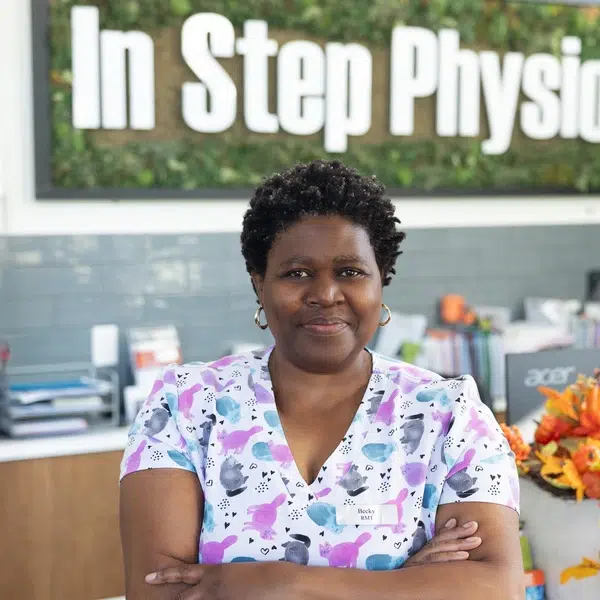
Becky Mhlanga
Registered Massage Therapist
Becky Mhlanga complements physiotherapy with pre- and postnatal massage therapy to ease tension, improve circulation, and support healing. She will help you regain strength, restore confidence, and feel your best in motherhood.
Together, this team is dedicated to guiding every patient toward better movement, balance, and independence through thoughtful, progressive neurological physiotherapy.
Our team is here to answer your questions and guide you through your next steps.
Book An Appointment
Reach Us
- Address - 10667 113 St NW, Edmonton, AB T5H 3H6
- Phone - (587) 409-1754
- Email - info@instepphysio.ca
- Business Hours - Mon – Fri: 8 am – 8 pm
- Business Hours - Sat: 8 am – 4 pm
Related services at In Step Physical Therapy