Physiotherapy Edmonton

Multiple Sclerosis Therapy Edmonton

Manage Symptoms, Improve Function
Get Consultation Now
Play Video

Multiple Sclerosis Care at In Step Physical Therapy, Edmonton- Excellence in Patient-Centered Treatment

At In Step Physical Therapy Clinic, we are dedicated to offering exemplary care for patients living with Multiple Sclerosis (MS). This chronic autoimmune disease primarily affects the central nervous system. Our team of experienced physiotherapists provides individualized, research-driven treatment plans to enhance the quality of life and functionality of those with Multiple Sclerosis.

Play Video

Understanding Multiple Sclerosis Therapy Edmonton

Multiple Sclerosis occurs when the immune system mistakenly attacks myelin. This protective layer insulates nerve fibres in the brain and spinal cord, disrupting communication between the brain and the body. Management of this illness can be challenging due to its unpredictable nature and the range of symptoms it presents, such as fatigue, difficulty walking, numbness or weakness, spasticity, vertigo, and problems with coordination and balance. It can also cause cognitive and emotional issues, including depression, mood swings, and trouble focusing.

Our Commitment to Comprehensive Multiple Sclerosis Care

In Step Physical Therapy Clinic has been treating Multiple Sclerosis using innovative techniques and therapies. We understand that the management of Multiple Sclerosis requires multidisciplinary and individualized approaches. Our commitment to patient-centred care reflects this understanding. We strive to provide the right care and assistance to help you maintain your voluntary control.

Various Techniques and Therapies Used at In Step Physical Therapy
We adopt a holistic approach to Multiple Sclerosis management, blending cutting-edge therapies and techniques with a patient-centred philosophy. The clinic emphasizes individualized treatment plans tailored to each patient’s specific needs and circumstances.

Foot Drop in Multiple Sclerosis

Foot drop is one of the more common mobility problems in multiple sclerosis. When MS affects the nerve pathways controlling the muscles that lift the front of the foot, the toes catch on the ground during the swing phase of walking.

People often describe it as tripping over nothing, scuffing a shoe, or having to swing the leg out or lift the hip higher to clear the floor. That compensation is tiring, and it raises the risk of falls.

What assessment looks at:

  • how the foot and ankle behave through the walking cycle
  • strength in the muscles that lift the foot
  • compensations at the hip, knee and trunk
  • fatigue — whether the pattern worsens later in the day or after activity
  • footwear, and any bracing or aids already in use

MS-related fatigue and heat sensitivity shape how a programme is paced. We build that in rather than working against it.

Bioness L300 Go for MS-Related Foot Drop

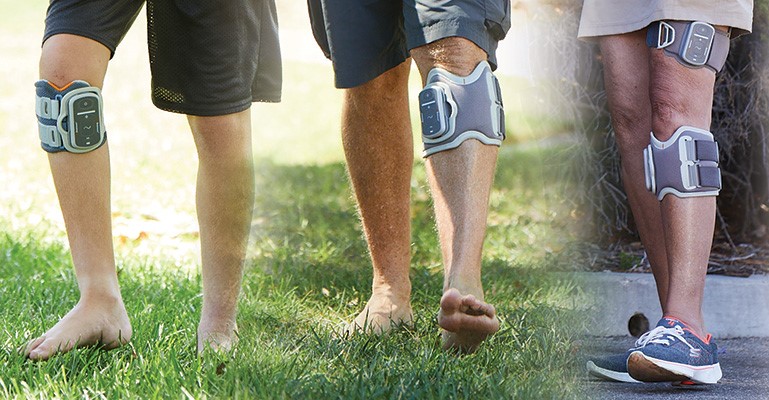
Three Individuals Walking Outdoors Wearing Bioness L300 Go Foot Drop System Devices On Their Lower Legs To Assist Mobility.

The Bioness L300 Go is a functional electrical stimulation (FES) device worn below the knee. It delivers small electrical impulses to the nerve that lifts the foot, timed to your walking, so the foot clears the ground without you having to compensate.

In Step Physical Therapy is an official dealer of the Bioness L300 Go Foot Drop System, and our clinicians are trained in fitting and programming it.

Reported benefits include:

  • more natural movement when walking
  • improvements in walking speed, stability and confidence
  • reduced risk of tripping and falling
  • muscle re-education and reduced muscle wasting from disuse
  • maintained or improved range of motion at the ankle

The L300 Go is not appropriate for everyone, and it is not a substitute for physiotherapy — it is used alongside a walking and strengthening programme. Whether it suits you is determined at assessment, and a trial is part of that discussion.

Read more about the Bioness L300 Go

MS Symptoms We Commonly Treat

Multiple sclerosis can produce a wide range of symptoms, and several of them overlap with other conditions we treat. Where symptoms coexist with your MS, these are commonly addressed as part of the same plan:

  • Neuropathic symptoms — numbness, tingling, altered sensation or nerve-related pain.
  • Balance and dizziness problems — unsteadiness, vertigo or difficulty with turning and uneven ground.
  • Fatigue — MS-related fatigue that limits how much activity can be tolerated in a day.
  • Spasticity and muscle tightness — stiffness affecting walking, transfers or comfort.
  • Foot drop — difficulty lifting the front of the foot when walking.
  • Reduced mobility and deconditioning — loss of strength or walking tolerance over time.

Treatment is tailored to your presentation. Symptoms that look similar can have different causes, and assessment establishes what is driving yours.

Other neurological services at In Step:

Frequently Asked Questions

We adjust treatment during flare-ups to prioritize comfort, gentle mobility, and prevention of secondary issues without overexertion.

We re-evaluate and adapt quickly, whether introducing aids, changing exercise focus, or shifting to seated or assisted work.

Absolutely. Early-stage therapy focuses on building resilience, balance, and strength before mobility loss occurs.

Yes, we target coordination, grip strength, and functional hand use with focused motor retraining and neurological drills.

Dragging or catching the front of your foot when you walk is usually a sign of foot drop. In multiple sclerosis it happens when the nerve signals to the muscles that lift the front of the foot are disrupted, so the toes do not clear the ground during the swing phase of your step.

People often notice it as tripping on flat ground, scuffing the front of one shoe more than the other, or having to swing the leg outward or lift the hip higher to get the foot through. Many find it worse when tired, later in the day, or in the heat.

A physiotherapy assessment looks at the ankle and foot through the walking cycle, the strength of the muscles that lift the foot, and the compensations happening elsewhere. Depending on what is found, treatment may involve strengthening and gait work, footwear or bracing advice, or a trial of functional electrical stimulation such as the Bioness L300 Go.

If foot dragging is new, has come on suddenly, or is getting worse quickly, speak with your physician as well, since a change in symptoms may need medical review.

Two things make the most difference for MS-related foot drop, and they work well together:

1. Strengthening and gait exercises
Targeted work on the muscles that lift the front of the foot, combined with retraining your walking pattern so you stop compensating at the hip and trunk. Your physiotherapist sets the programme from your assessment and progresses it as you go, paced around MS fatigue rather than against it.

2. Bioness L300 Go
A functional electrical stimulation device worn below the knee. It sends small electrical impulses to the nerve that lifts your foot, timed to your step, so the foot clears the ground as you walk. In Step Physical Therapy is an official dealer of the L300 Go and our clinicians are trained in fitting and programming it, so a trial can be arranged to see whether it suits you.

The two are usually combined: the L300 Go helps you walk more normally now, while the strengthening work builds the underlying capacity. Suitability is determined at assessment.

Read more about the Bioness L300 Go

If the foot dragging is new, sudden, or worsening quickly, speak with your physician as well.

Yes. MS balance work includes vestibular elements, sensory retraining, and adaptable surfaces tailored to neurological variability.

We offer virtual telerehab options and home-based adaptations so your progress continues even when travel is difficult.

While physiotherapy doesn’t stop disease progression, it significantly delays functional decline and improves quality of life.

We guide you weekly based on your physical signals, energy levels, and nervous system feedback, ensuring safe, responsive care.

There is no cure for Multiple Sclerosis. However, treatments can help manage symptoms, reduce inflammation and the frequency of relapses, slow disease progression, and improve quality of life. The goal of therapy is to help individuals with Multiple Sclerosis maintain their physical function, manage symptoms, and enjoy a good quality of life. Treatment plans are highly individualized and may include disease-modifying therapies, symptom management strategies, physical and lifestyle modifications.

Spasticity, Pain, Sensory Deficit, Fatigue, Tremor, Cognitive & Emotional Impairments, Bowel & Bladder Impairments.

Exercise is considered as a safe effective means of rehabilitation. It is beneficial at multiple levels and has an important role in delaying negative symptoms of Multiple Sclerosis. Choosing exercises appropriate to the client’s strengths and weaknesses, and prescribing the best ’dose’ (intensity, frequency and duration) of treatment in terms of activities and participation is important. Exercise also has beneficial effects on mood and quality of life. 

Taking appropriate rests during treatment sessions to ensure recovery is essential. Pushing yourself when tired will not be of benefit and the sessions will have negative effects and exacerbate the fatigue.

Reviews

Educate & Empower Yourself With Our Exclusive Videos

Playlist

3 Videos
Contact Us

At In Step Physical Therapy, our team, including highly qualified physiotherapists, massage therapists, lymphatic massage therapists, personal trainers, kinesiologists, psychologists and nutrition practitioners are committed to providing comprehensive care for individuals living with Multiple Sclerosis, addressing a wide range of related conditions to help enhance patients’ quality of life and functionality. Contact us to receive the care you deserve. 

Book An Appointment
Reach Us