We Are a Trauma Informed Edmonton Physiotherapy Practice Near You!Treating Clients in Edmonton for over 25 Years.Getting a Lymphatic Drainage Massage? Boost it with Shockwave Therapy for just $30!We Are a Trauma Informed Edmonton Physiotherapy Practice Near You!Treating Clients in Edmonton for over 25 Years.Getting a Lymphatic Drainage Massage? Boost it with Shockwave Therapy for just $30!








Physiotherapy Edmonton
Dizziness And Vertigo Physiotherapy
Find Your Balance Again
Get Consultation Now
Dizziness and Vertigo Physiotherapy for BPPV and Vestibular Disorders
Reclaim Stability, Reclaim Life
At our clinic, we understand how frustrating dizziness, vertigo, and balance issues can be. These symptoms can affect your daily routines, limit mobility, and increase the risk of falls. Our care is designed to help you feel steady, regain confidence, and manage vertigo and dizziness with a clear plan. With Dizziness and Vertigo Physiotherapy in Edmonton, we focus on restoring balance and providing practical tools that fit into your life.
Why Does Dizziness Happen?
Feeling lightheaded or unsteady can have many causes, often linked to how the vestibular system inside your inner ear communicates with your eyes and body. When this system is disrupted, simple movements like turning your head, walking in crowds, or riding in a car can trigger vertigo or imbalance. Recognizing the causes of vertiginous dizziness helps us plan care that reduces symptoms and restores confidence.
What Are the Common Symptoms of Vestibular Dysfunction?
Vestibular system problems don’t show up the same way in everyone. Some feel spinning (Dizziness And Vertigo), while others notice more subtle balance issues or fatigue. Identifying symptoms early can prevent them from interfering further with your mobility and independence.
Common Symptoms
Vertigo and Dizziness
Sudden spinning or lightheadedness, often with head movement.
Balance Problems
Unsteadiness when walking, standing, or turning.
Motion Sensitivity
Nausea or dizziness in vehicles or crowded environments.
Gaze Stabilization Difficulties
Trouble keeping focus when the head is moving.
Risk of Falls
Greater fall risk, especially in seniors.
Chronic Fatigue or Brain Fog
Tiredness from compensating for imbalance.
Loss of Balance in the Dark
Trouble moving safely without visual cues.
Which Conditions Are Treated With Dizziness and Vertigo Physiotherapy?
We provide care for both short-term vestibular conditions and long-standing balance disorders. Each treatment plan is tailored to help reduce dizziness, restore stability, and improve confidence in daily activities.
Conditions Treated
- BPPV – Relief for spinning caused by displaced inner ear crystals.
- Vestibular Neuritis and Labyrinthitis – Support after inner ear infections.
- Meniere’s Disease – Strategies for vertigo, hearing changes, and ringing in the ears.
- Post-Concussion Vestibular Dysfunction – Reducing dizziness and motion sensitivity after head trauma.
- Age-Related Vestibular Decline – Exercises to lower fall risk in older adults.
- Motion Sensitivity Disorders – Retraining for dizziness triggered by movement or visual overload.
- Chronic Vestibular Migraine – Managing vertigo linked with migraine episodes.
- Unilateral Vestibular Loss – Care when one side of the vestibular system is weaker.
- Post-Surgical Vestibular Changes – Recovery support after ear or neurological surgery.
- Persistent Postural-Perceptual Dizziness (PPPD) – Ongoing dizziness without clear triggers.
What Physiotherapy Techniques Are Used for Vertigo and Dizziness?
We use a variety of hands-on treatments and exercise-based methods designed to reduce dizziness and retrain balance. Each approach is chosen to meet your condition and comfort level.
Techniques Used
- Canalith Repositioning Maneuvers – To reset inner ear crystals in BPPV.
- Balance Retraining – Step-by-step walking and standing drills to improve steadiness.
- Gaze Stabilization Exercises – Training the eyes and head to work together for clear vision in motion.
- Habituation Exercises – Gradually exposing you to dizziness triggers so your body adapts.
Strength and Mobility Training – Targeted routines for posture and safe movement. - Postural Re-Education – Resetting head, neck, and spine alignment.
- Relaxation and Breathing – Techniques that calm the nervous system and reduce dizziness linked to stress.
- Home Exercise Programs – Practical routines for continued progress outside the clinic.
What Treatment Modalities Can Support Balance and Dizziness?
In some cases, we use supportive modalities alongside physiotherapy exercises to enhance recovery and speed up progress. These are always personalized to your comfort and condition.
Modalities
- Biofeedback – Visual or auditory tools that guide balance and eye-head coordination.
- Electrical Stimulation – Gentle stimulation to help improve muscle activation and coordination.
- Functional Dry Needling – Targeting tight muscles around the neck and shoulders that may worsen dizziness.
- Acupuncture – Supporting relaxation and circulation, often paired with rehabilitation exercises.
- Shockwave Therapy – Gentle sound waves to reduce tension and improve blood flow in related areas.
Technologies and Services That Support Balance and Dizziness Care
Alongside hands-on care and exercise, we sometimes use supportive technologies to better understand your symptoms and enhance recovery. These tools give us clearer insights into how your vestibular system is functioning and can make rehabilitation more effective.

Frenzel Goggles
These goggles allow us to observe subtle eye movements linked to vertigo and dizziness. By seeing how your eyes respond, we can pinpoint triggers more accurately and guide repositioning or gaze stabilization exercises.
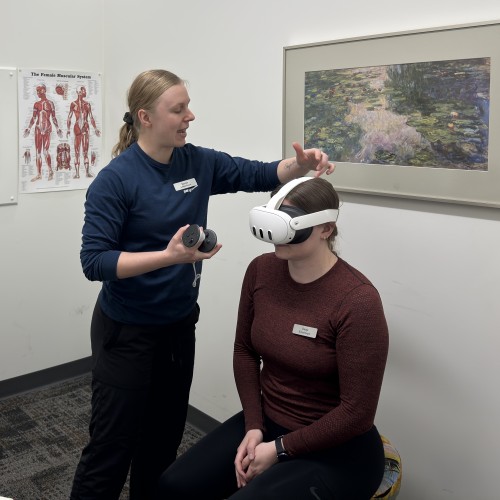
Virtual Reality Therapy
VR creates controlled environments where you can practice balance and coordination without real-world risk. This is especially helpful for motion sensitivity or dizziness triggered by visual overload, since we can gradually expose you to challenging situations and retrain your vestibular system at your pace.
What Happens During the Initial Assessment for Dizziness?
Before starting treatment, it’s important to understand what’s driving your Dizziness And Vertigo balance challenges. Our initial assessment is designed to be thorough yet comfortable, giving us the information we need to create the right plan for you.
Initial Assessment Process
- Physical Examination – We check balance, coordination, and eye-head movement to see how your vestibular system is functioning.
- Questionnaires – These help us understand how dizziness or vertigo is affecting your daily life, work, or leisure.
- Biofeedback Tools – When appropriate, we may use gentle sensors to monitor your responses and guide retraining.
- Imaging Support – In some cases, imaging such as ultrasound can show how muscles or structures are working in relation to your balance system.
How Do We Track Progress in Vertigo Physiotherapy?
Recovery isn’t just about noticing fewer dizzy spells; it’s about building lasting stability and confidence in your movements. At In Step Physical Therapy, we use both practical assessments and technology-based tools to measure your progress over time. This ensures your dizziness treatment plan stays effective and adapts to your needs.
- Movement and Balance Testing – We check walking, standing, and turning patterns to see how your balance is improving.
- Eye and Head Coordination – Eye-tracking and head movement testing help us evaluate how your vestibular system is responding.
- Frenzel Goggles – These goggles allow us to observe subtle eye movements linked to dizziness that aren’t visible otherwise.
- NeuroCatch® – A non-invasive brainwave tool that helps us understand how your brain is processing balance-related input.
- Progress Reviews – Regular check-ins ensure your exercises are updated, symptoms are monitored, and treatment evolves as you get stronger.
How Do We Support Long-Term Management of Vertigo and Dizziness?
For some patients, Dizziness And Vertigo improves within a few sessions. For others, symptoms can return or linger due to underlying vestibular dysfunction or lifestyle factors. We create a long-term plan that helps you manage flare-ups and maintain balance in daily life.
Flare-Up Strategies
Simple routines you can use if dizziness returns, helping you regain control faster.
Posture and Movement Training
Guidance on safe head and body positions to reduce dizziness during daily tasks.
Gradual Reintroduction of Activities
Support for returning to exercise, driving, or work in a safe and step-by-step way.
Home Exercise Maintenance
Ongoing routines designed to reinforce what we do in the clinic.
Education and Confidence-Building
Practical tips that help reduce fear of dizziness and improve independence.
Is Dizziness and Vertigo Physiotherapy Covered by Insurance?
Many extended health plans include coverage for Dizziness And Vertigo Physiotherapy treatment. At In Step Physical Therapy, we offer direct billing to most providers and help you navigate coverage so you can begin care without unnecessary delays.
Coverage Options
Direct Billing:
We bill most insurance providers directly.
No Referral Needed
Start care without waiting for a doctor’s note in most cases.
Flexible Scheduling
Appointments that will fit your daily routine.
Receipts & Reports
Provided for all claims and records.

Take the First Step Toward Balance
Take the First Step Toward Balance
Living with vertigo and dizziness doesn’t have to hold you back. With Dizziness And Vertigo Physiotherapy at In Step Physical Therapy, you’ll find support for both relief and long-term balance. Whether you’re managing sudden spinning episodes or ongoing balance problems, our team is here to help.
Book your appointment today, and if you’ve been searching for vertigo physiotherapy near me, we’re ready to guide you toward steadier steps and renewed confidence.
Reviews:

I saw them a year ago and they helped me. I was feeling great so I stopped going. I had a bad case of whiplash, it came back twice as bad. I went back on May 12, I was really impressed how she knew that the ocular migraine's and vertigo are coming from my whiplash and should go away once the whiplash has settled down. I'm going 3 times a week and have stretches to do daily. I would highly recommend In Step Physio. Everyone I have spoken to was understanding and kind.
- Tina Boston
I thought I was a lost cause. I suffer migraines on a daily basis from a car accident and these people care. They specialize in helping people with car accident injuries, brain injuries. I'm so grateful for someone willing to help me out. They treat you like family.
- Kimberly Coulson
The staff is really friendly and polite. I had physiotherapy for several weeks and the quality of the service did not decreased a bit, I had a wonderful experience during my treatment. I would definitely go back if needed.
- Ana Arvizu
All the staff are amazing, they listen and will try and suggest you the best things to do for your situation.
- M H
The staff here are all so lovely (including front desk and PT assistants). Giri is also a great PT and has created an awesome treatment program/plan for me. I appreciate being able to go through my entire exercise program at each session as well as reviewing the program and getting progressions each week. Would highly recommend.
- Michelle Em
Watch Our Videos To Know More:
Discover easy strategies demonstrated in video form to help improve mobility, reduce discomfort, and support your overall well-being.
Frequently Asked Questions:
Understanding Dizziness and Vertigo Physiotherapy
What Is Dizziness and Vertigo Physiotherapy and How Does It Help?
It involves hands-on and exercise-based approaches that help retrain the vestibular system to reduce dizziness, spinning sensations, and imbalance.
Can I Find Vertigo Physiotherapy Near Me in Edmonton?
Yes, many searching for vertigo physiotherapy near me visit our Edmonton clinic for one-on-one support and flexible booking options.
What Are the Main Causes of Vertiginous Dizziness That You Treat?
We treat BPPV, vestibular hypofunction, post-concussion symptoms, motion sensitivity, and other inner ear-related balance issues.
Is Dizziness Always Caused by an Inner Ear Problem?
Not always. Some dizziness stems from neck tension, migraines, or nervous system conditions; all of which we assess during your visit.
Who Can Benefit From Dizziness and Vertigo Physiotherapy in Edmonton?
Adults of all ages experiencing unsteadiness, spinning, light-headedness, or balance problems can benefit from our care.
Is Physiotherapy Effective for Sudden Episodes of Vertigo?
Yes. For conditions like BPPV, certain physio techniques can provide relief within just a few sessions.
What Makes Vestibular Issues Different From Motion Sickness?
Vestibular disorders are linked to balance systems in your inner ear, while motion sickness is typically a mismatch of sensory inputs.
Do I Need a Physician Referral To Start Vertigo Physiotherapy?
No. You can book directly with us; no referral is needed unless required by your insurance provider.
Can Dizziness and Vertigo Physiotherapy Help With Post-COVID Balance Issues?
Yes. We work with clients who experience dizziness or balance problems related to post-viral effects, including long COVID.
What Are the Most Common Conditions You Treat in Vestibular Physiotherapy?
BPPV, vestibular neuritis, post-concussion dizziness, cervicogenic dizziness, and imbalance due to aging are common conditions we treat.
What to Expect at Your First Session
What Happens During the First Vestibular Physio Session?
Your first visit includes a detailed history, balance testing, eye movement assessments, and a custom plan for dizziness treatment.
What Should I Bring to My First Physiotherapy Appointment for Vertigo?
Bring a list of symptoms, any relevant imaging or medical notes, and details on how your dizziness affects your daily life.
Will My Dizziness Be Triggered During the Assessment?
Possibly, but we guide you through everything gently and safely, ensuring your comfort during each step.
How Long Does a Vertigo Physiotherapy Session Usually Take?
Appointments generally last 45–60 minutes, depending on the complexity of your symptoms and treatment goals.
Do You Offer Flexible Appointments for Dizziness Therapy?
Yes. We offer early morning, evening, and weekend slots to accommodate different schedules.
Will I Feel Immediate Relief After the First Physio Session?
Some people notice improvement quickly, especially with BPPV, while others require several sessions to see changes.
Should I Avoid Eating Before My Dizziness Assessment?
It’s usually fine to eat beforehand, but we recommend avoiding heavy meals just before your visit in case symptoms are provoked.
Is There Anything I Should Avoid Doing After a Dizziness Physio Session?
We might suggest avoiding sudden head movements or certain positions right after treatment, depending on your condition.
Can I Drive Home After My First Vertigo Treatment?
It depends on how you respond to the session. We advise arranging a ride if you’re unsure how your body will react.
Will My Physio Provide At-Home Exercises to Support Recovery?
Yes. We design specific eye, head, and balance exercises you can safely practice between sessions.
Conditions and Symptoms We Treat
Can Vestibular Physiotherapy Help With BPPV?
Yes. We use repositioning maneuvers like the Epley or Semont to address canal-specific BPPV quickly and safely.
Is Dizziness After a Concussion Something You Can Treat?
Yes. We help retrain your vestibular system and address sensory overload and motion intolerance after a concussion.
Can You Treat Dizziness Caused by Neck Tension or Whiplash?
Yes. We treat cervicogenic dizziness by working on neck mobility, posture, and muscle balance.
What if I Feel Off-Balance but Don’t Feel Spinning?
You may still benefit from vestibular physio. Balance loss without spinning is common in many inner ear conditions.
Do You Help With Lightheadedness or Floating Sensations?
Yes. We address these symptoms by improving visual focus, head movement tolerance, and inner ear stability.
Can You Treat Motion Sensitivity or Discomfort in Crowds?
Yes. We work on visual-vestibular integration, helping you feel more stable in moving or visually busy environments.
Can Vertigo Be Linked to Stress or Anxiety?
Yes. While not the root cause, stress often worsens symptoms. We address both the physical and emotional impact.
Does Age-Related Dizziness Improve With Physiotherapy?
Yes. Balance training and sensory reintegration are highly effective in older adults with dizziness or frequent falls.
Can You Help With Recurrent Spells of Room-Spinning Sensations?
Yes. We identify and treat the specific cause, whether BPPV or another vestibular disorder.
Is Vestibular Physiotherapy Useful if My Tests Came Back Normal?
Yes. Normal imaging doesn’t rule out vestibular issues; many can be resolved with targeted physio.
Treatment Process and Recovery
How Long Does Vestibular Physiotherapy Take To Work?
Some clients feel better within 1–2 sessions, especially with BPPV. Others may need 6–8 sessions for full symptom resolution.
How Often Should I Attend Physiotherapy for Dizziness?
This varies by condition. Some come weekly, others biweekly; we tailor frequency to your recovery and schedule.
Will I Feel Worse Before I Feel Better During Treatment?
Sometimes. Brief symptom provocation can occur as the brain adapts, but we guide you through it gradually.
Can I Combine Vestibular Therapy With Other Forms of Physio?
Yes. We often integrate vestibular work with posture, strength, and mobility treatments.
Will You Teach Me Balance Exercises I Can Do at Home?
Yes. Balance retraining is a key part of your recovery and can be done daily at home.
Can You Track My Progress Over Time?
Yes. We use movement tests and symptom check-ins to adjust your program and show improvements.
What If My Symptoms Only Happen When I Lie Down or Turn Over?
That’s a common sign of positional vertigo, which we can treat with targeted maneuvers during your visit.
Do You Help With Recovery From Vestibular Neuritis?
Yes. We help improve visual stability, balance, and head movement tolerance after viral inner ear inflammation.
Will I Still Be Treated if I Have More Than One Cause of Dizziness?
Yes. We assess and treat all contributing factors, even if they overlap like neck tension plus inner ear issues.
Can You Help Me Feel More Confident Walking Outdoors Again?
Yes. Outdoor balance training and visual focus drills are part of our treatment plans when needed.
Booking, Insurance, and Comfort
Is Dizziness and Vertigo Physiotherapy in Edmonton Covered by Insurance?
Most extended health plans cover it under general physiotherapy. We can help you confirm your plan details.
Do You Offer Direct Billing for Vertigo Physio Sessions?
Yes. We provide direct billing to most major insurers. Just bring your information to your first appointment.
Can I Use a Health Spending Account for Vestibular Physio?
Yes. HSA funds can be used toward any of your physiotherapy services.
What If I Run Out of Coverage Midway Through Treatment?
We’ll work with you to adjust your schedule and offer payment flexibility while keeping your care consistent.
How Soon Can I Book an Appointment for Dizziness Treatment?
We usually have openings within a few days. You can book online or call for flexible scheduling options.
Will I Be in a Private Room During My Appointment?
Yes. All vestibular therapy sessions are held one-on-one in a calm, private setting.
Can I Request the Same Physiotherapist Each Visit?
Yes. Continuity matters, so we aim to keep you with the same physiotherapist throughout your plan.
Do You Offer Evening or Weekend Appointments for Dizziness Treatment?
Yes. Our flexible hours help you fit care around your work or personal schedule.
What Should I Do if I Feel Nervous About Triggering My Dizziness?
Let us know. We proceed gently, explain every step, and stop treatment if symptoms become uncomfortable.
Why Do People Choose Your Clinic for Dizziness and Vertigo Physiotherapy in Edmonton?
Because we listen closely, customize care, and offer flexible appointments to support you through every stage of recovery.
Dizziness and Vertigo Physiotherapy With Our Team

Giri Srinivasan
Vestibular Physiotherapist – Owner & CEO
With over 25 years of experience in physiotherapy, Giri provides care for patients experiencing dizziness, vertigo, and balance difficulties. He has completed vestibular rehabilitation training and integrates it with his background in orthopedic and neurological physiotherapy. Giri focuses on helping patients manage dizziness, improve stability, and safely return to their daily routines.

Roopreet Kaur
Vestibular Physiotherapist
Roopreet Kaur works through assessment-led manual therapy and progressive exercise, with attention to how daily activity and posture affect symptoms.

Neha Anil Saraf
Vestibular Physiotherapist
Neha Anil Saraf combines hands-on techniques with individualised exercise programmes tailored to each patient's goals.

Cyprian Orjinta
Vestibular Physiotherapist
Cyprian Orjinta focuses on restoring movement and strength through structured, progressive rehabilitation.
Our team is here to answer your questions and guide you through your next steps.
Related services at In Step Physical Therapy
Book An Appointment
Reach Us
- Address - 10667 113 St NW, Edmonton, AB T5H 3H6
- Phone - (587) 409-1754
- Email - info@instepphysio.ca
- Business Hours - Mon – Fri: 8 am – 8 pm
- Business Hours - Sat: 8 am – 4 pm